Jon’s race notes 0008: 2026 Autotrader 400
Now NASCAR can just be NASCAR
Going to three (or even two) days of a NASCAR race weekend is a stretch for me in terms of family logistical goodwill, so my first opportunity to exercise my season tickets was to attend my second Cup race at EchoPark Speedway. Having never attended one when it was called Atlanta Motor Speedway, the new name is not as hard for me to say as it is for old timers, but I can tell you my affection for the place is just as strong as theirs.
I only regret that I was unable to see the Truck Series and O’Reilly races on Saturday in person, because it was some of the best NASCAR racing I’ve ever watched live. Fortunately, I sent Ray with the tickets, and he brought along four newcomers to NASCAR. Lives were changed.
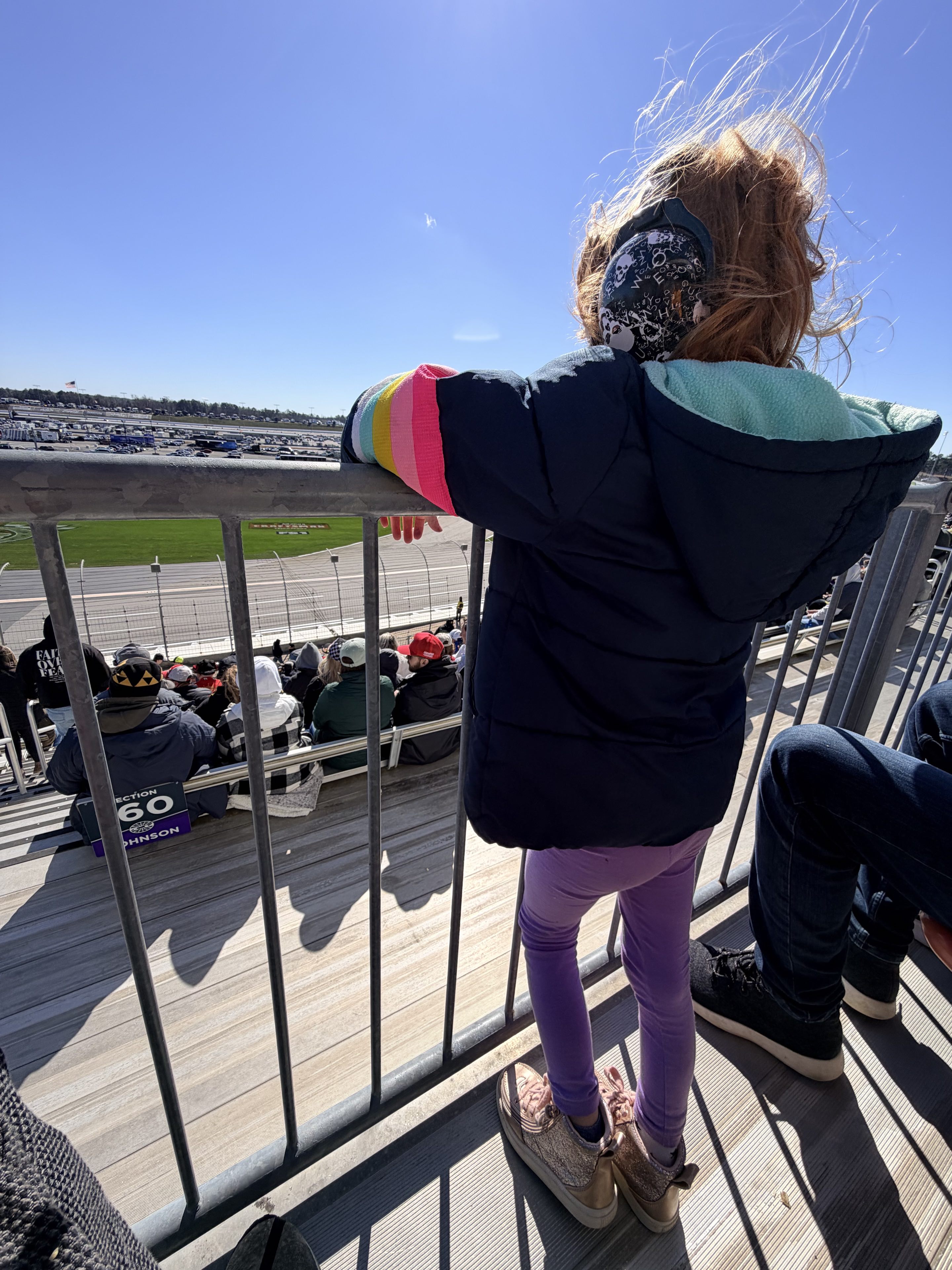
I had only two lives to change with a first Cup race, and one of them bailed on me (my eldest child). Fortunately, the always-game younger one, aged five, agreed to come along and dropped right into the spirit.
Stock car racing is enhanced by having somebody to pull for, and in my house, 23XI Racing’s Bubba Wallace is that guy. My dad’s from Mobile (where Bubba’s from), my mom’s from Chicago (where 23XI co-owner Michael Jordan was a basketball player of some renown) and went to college in North Carolina (where Michael Jordan’s from [she went to Duke, but whatever]), we’re from Atlanta (where we value both diversity and stock car racing), Bubba is an awesome racing dad like me… and so on.
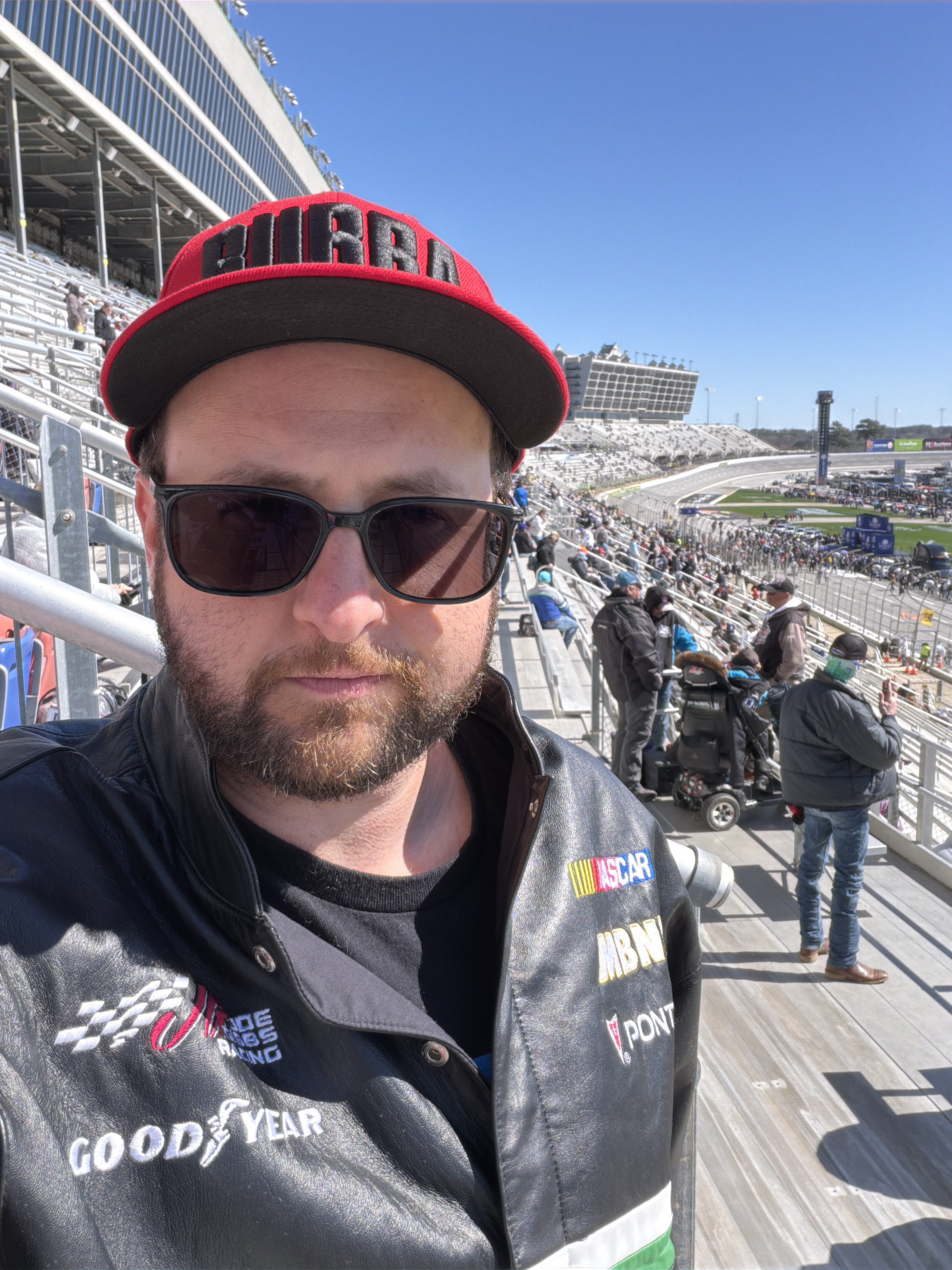
Bubba is our guy, and I was representing. My section booed him during driver intros, so I stood up and waved my hat around and whooped as loudly as I could. My daughter joined me.
As the major player — and victor — in the historic antitrust lawsuit against NASCAR that was settled mid-trial last year, 23XI could be considered the definitive team of the 2026 season. They come into the year having secured the most meaningful financial concessions from France family ownership to teams in the sport’s history, which — crucially — involved the restoration of 23XI’s cars to chartered status. These huge off-track wins have to be backed up on track, though. That’s what really matters.
So naturally, Tyler Reddick — having gone winless last year — walked out and won the Daytona 500. Bubba finished 10th, and even 23XI’s designated “other guy,” Riley Herbst, finished P8, having secured the victory for Reddick in somewhat bumbling fashion. That sent 23XI to Atlanta leading the standings.
And speaking of standings, the settlement is arguably not even the biggest news going into this NASCAR season. Maybe the lawsuit was a catalyst, maybe it was just the constellation of a bummer period in NASCAR, the beginnings of an IndyCar resurgence, and the eclipsing of American racing by Formula 1, but over the past year, NASCAR has set about returning to its roots with some wildly popular changes.
The era of win-and-you’re-in Playoffs with a single-elimination championship round is over. The 10-race Chase is back, with the top 16 drivers in points after 26 races eligible for the championship. It’s a best-of-both-worlds arrangement that acknowledges that the notional “casual fan” who considers stock car racing interchangeable with ball sports does not exist — something everyone but NASCAR executives over the past couple decades has felt was screamingly obvious. Even worse, at least some years, the system has resulted in champions that were manifestly not the best driver of the best car for the best team. That’s over now. As the folksy marketing campaign with which NASCAR launched this season would say, Hell Yeah™.
Now NASCAR can just be NASCAR, and I really hope it will. One more change it would need to make would be getting rid of NASCAR Overtime, a rule that stupidly insists that a race can go on infinitely for wreck after wreck until someone survives, rather than ever — Heaven forfend — finish under caution. A wreck with three to go robbed me of the chance to watch Bubba Wallace win with my daughter at her first NASCAR race. That would still have been an amazing finish. Instead, the finish the fans got was a 10-minute red flag followed by a lottery. That’s not “free racing” or “getting what we paid for.” That’s staying way too late at the track and freezing our asses off while robbing a deserving winner.
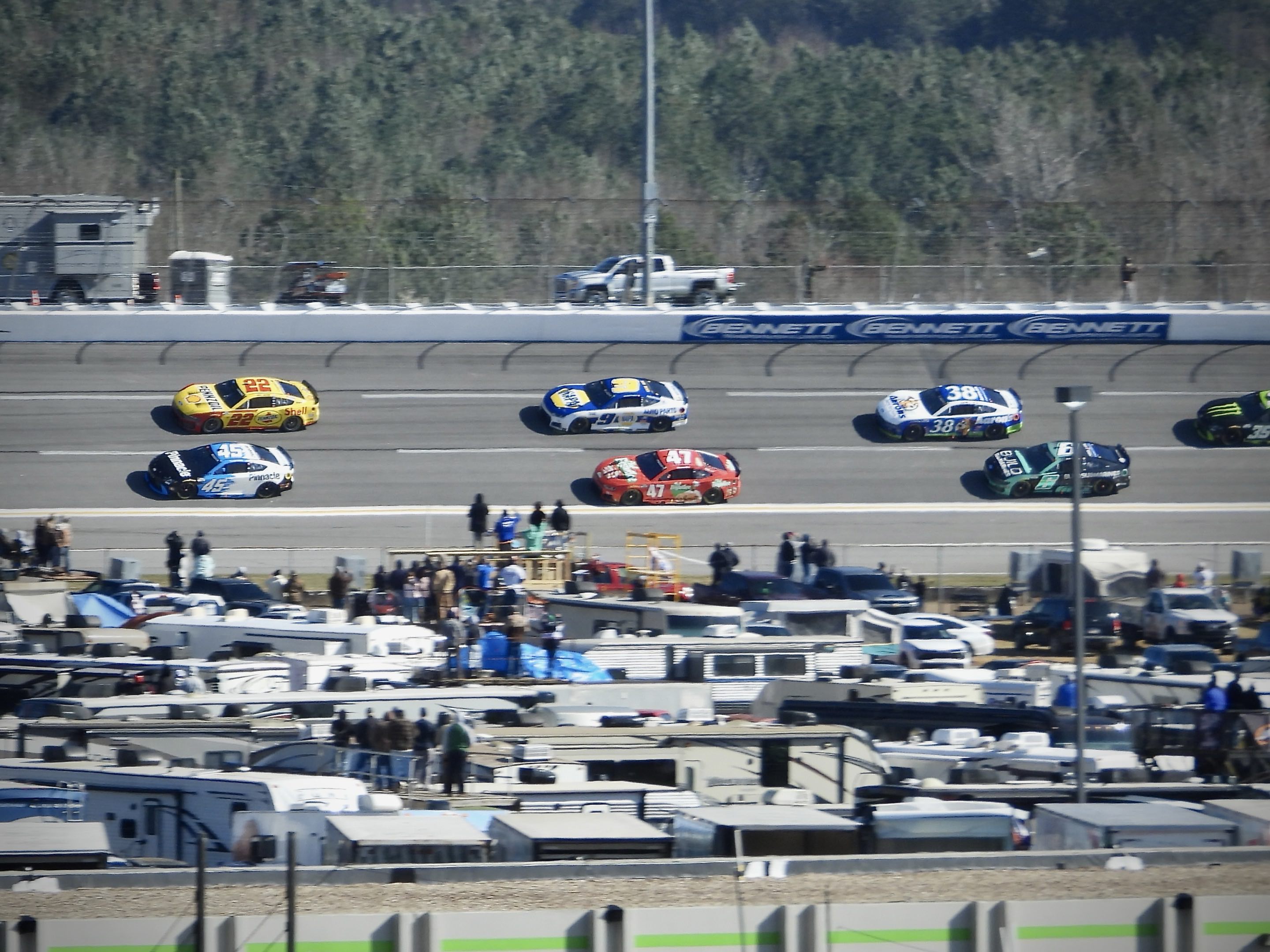
At least the official winner was also deserving. The 45 not only ran up front all day but lost an entire fender and recovered. Going back to back for the first two races is a pretty amazing storyline for Tyler Reddick and 23XI. But here’s the most NASCAR-being-NASCAR-again thing about it: Despite his frustrating near misses in both races, Bubba is still second in the points, and — as it did in the glory days — that actually matters now.
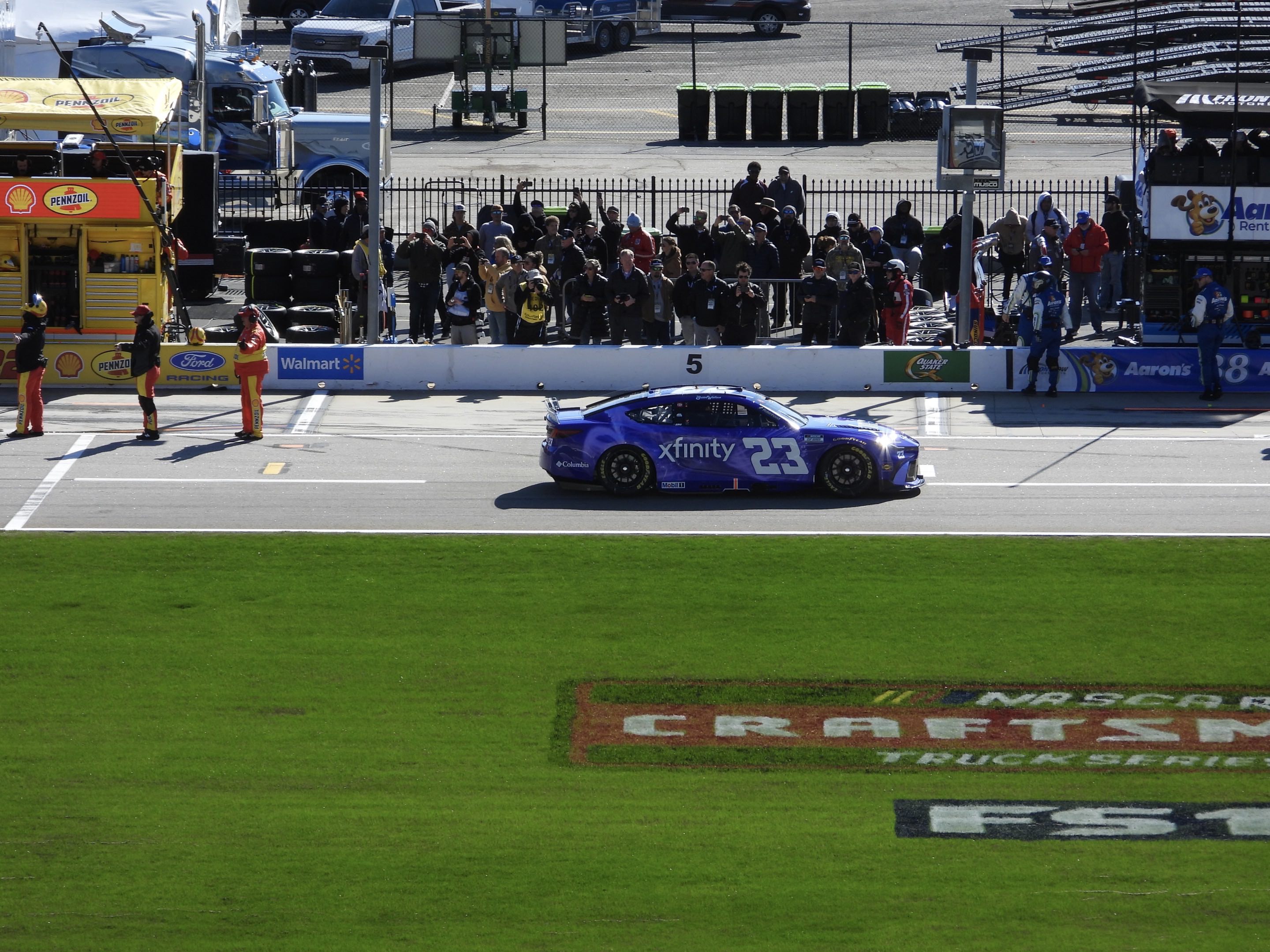
There are more elements of modern NASCAR that are still finding their way back home, but I think they’re getting there. The cars are the main thing.
The era of NASCAR Cup cars resembling the cars fans drove to the track was over before NASCAR’s heyday, but the cars in the most popular eras still enabled stock car racing as it had been known. You still brought the most badass machine you could possibly sneak past tech, and they still drove like big ol’ American cars; you wheeled them like a maniac, and when — not if — you found yourself sideways, you could catch them.
The gen 7 Cup car is a modern race car. It’s a tightly regulated, almost entirely spec design. It is painstakingly precise. It is power-starved, and it is extremely aerodynamically sensitive. If you lose it at a track like the new high-banked configuration of Atlanta, it’s gone, and half the field is probably coming with you.
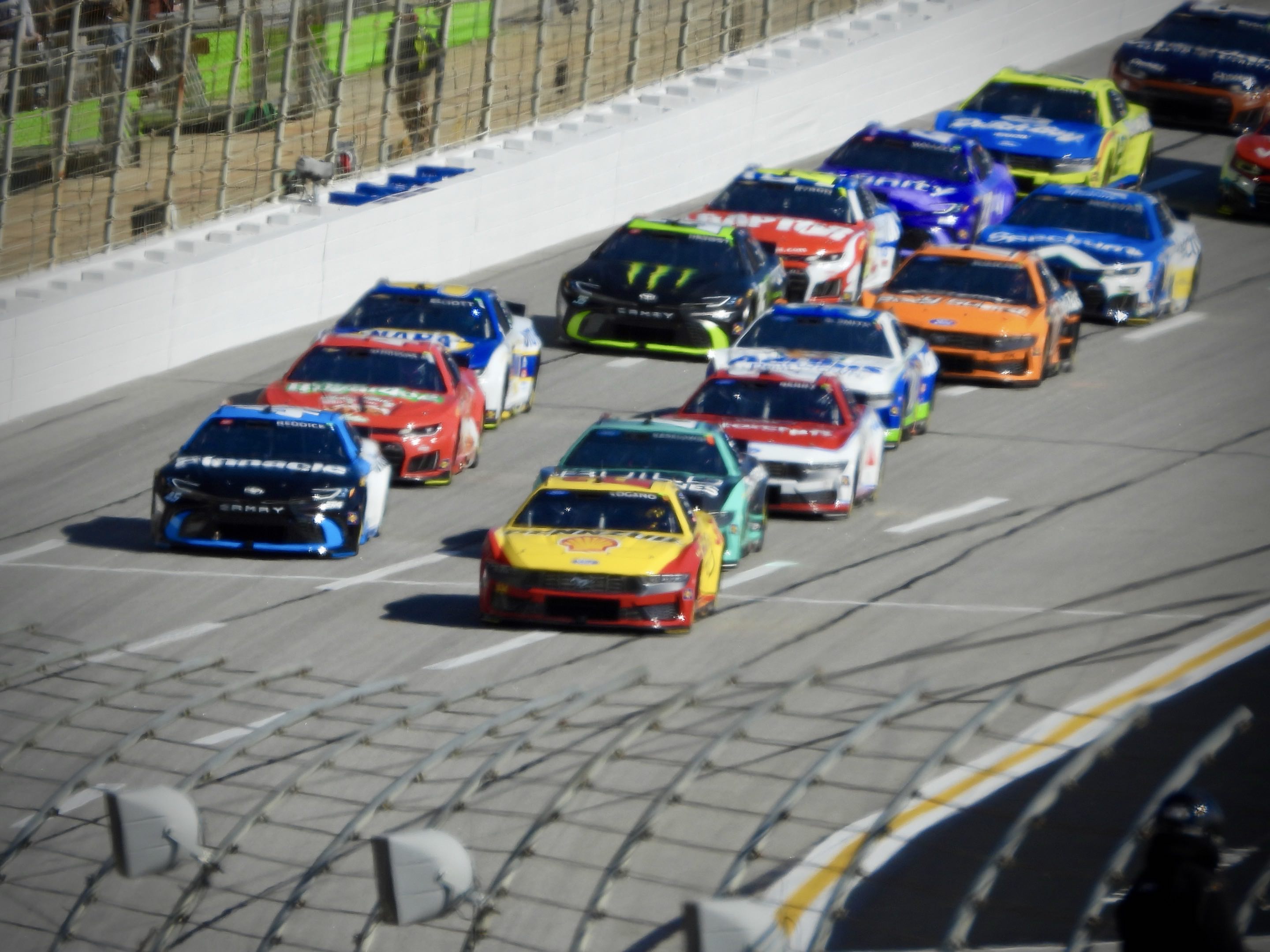
Some drivers (Kyle Busch comes to mind) have floundered in the transition. Others don’t know any different, which has its own effects on stock car racing, especially for those with no connection whatsoever to mechanical responsibility for the car they drive. Gone are the days of drivers keeping their sanity on track because they’d have to fix their car if they wrecked it. Even though this car costs astronomically more to fix, that’s not the careless young driver’s problem. Combine that with the win-and-you’re-in championship model that obtained through last year, and you can see how NASCAR may have developed a reputation for pretty stupid racing.
Well, don’t look now, but even prior to the championship changes, last year showed signs of NASCAR — not to mention Goodyear — getting this car dialed in for the various kinds of race tracks on the calendar. The uniformity and precision has enabled NASCAR to tune the car and the competition to each other, and they’re starting to gel. Maybe over the next couple years they can start opening up engines, aero, and other systems to some regulated forms of tinkering that brings that spirit back without losing the benefits of this cleaned up (and, don’t forget, much safer) style of car.
No, NASCAR is not back yet. But it’s heading back.
What of the NASCAR that’s here now?
Atlanta is one of the major sore spots for people who have been hurt by NASCAR’s wayward 21st century. Its original configuration produced too many legendary races to count. In 2021, it was redesigned and reprofiled with steeper banking, taking it from a bread-and-butter intermediate track to a sort of mini-superspeedway despite being way shorter and narrower than the places where they usually do this sort of draft-dependent pack racing. It was seen as a crowning example of the made-for-TV stupidity that defined that era of NASCAR competition, except this time they had literally bulldozed a sacred race track to impose it.
And look, it did suck at first. It managed to be terrifying and boring at the same time. Last year, though, I enjoyed the spring race, and as I was gearing up to make the summer race my first in-person NASCAR event, I was still hearing the same old chatter about how bad “new Atlanta” is, and it did not rhyme with what I had seen that spring. Then I went to what was, ironically, the first race with the place called EchoPark Speedway, and it blew me away. I was glued to every lap. It was the first time I had been to a race where I could see absolutely everything happening on track and didn’t even need to look at the tower, let alone my phone, which didn’t work anyway, and I could not have cared less.
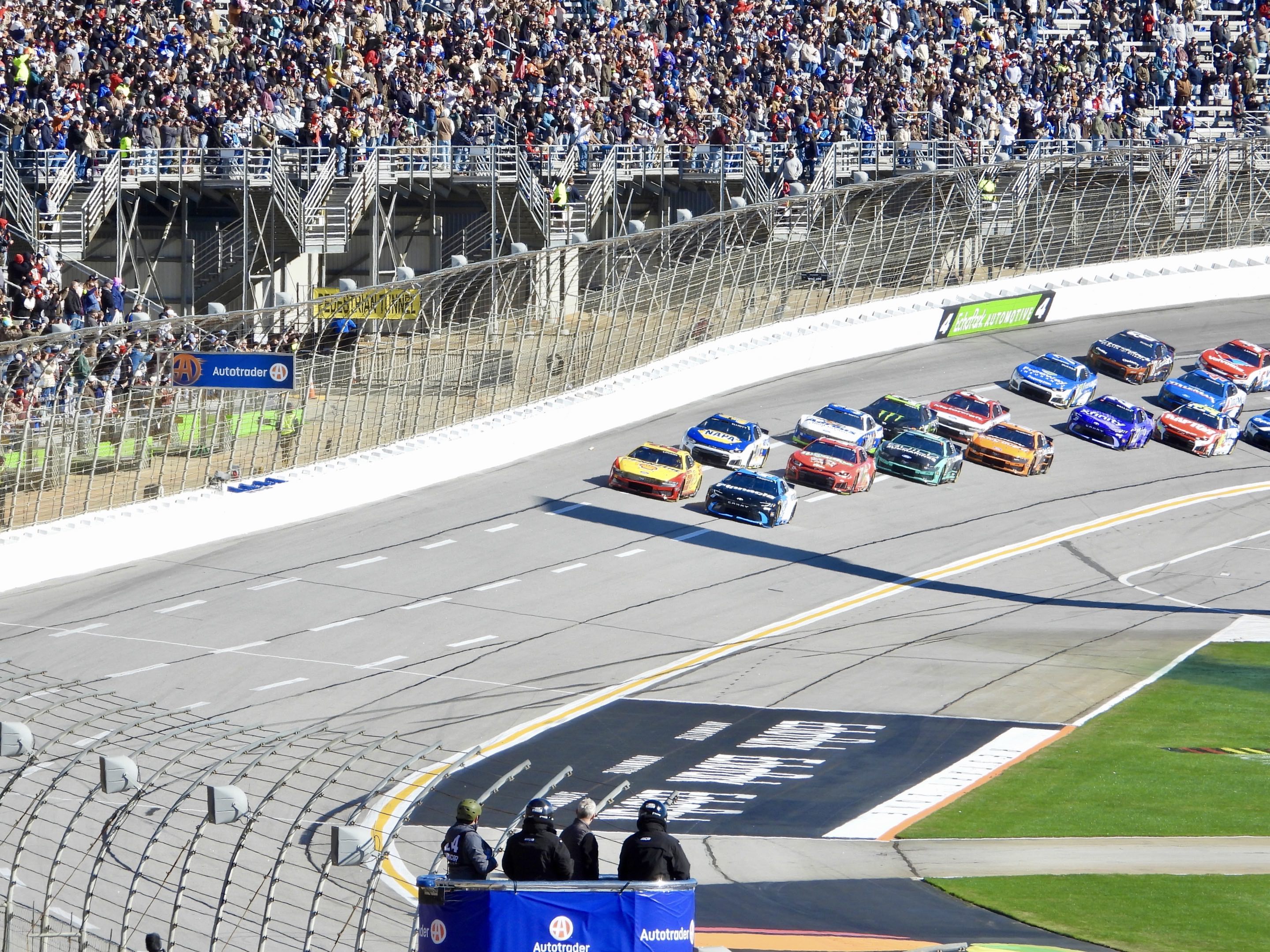
So this year, when the Saturday doubleheader was a double-banger, I wasn’t the least bit surprised. I only hoped the Cup race could uphold the standard set the day before.
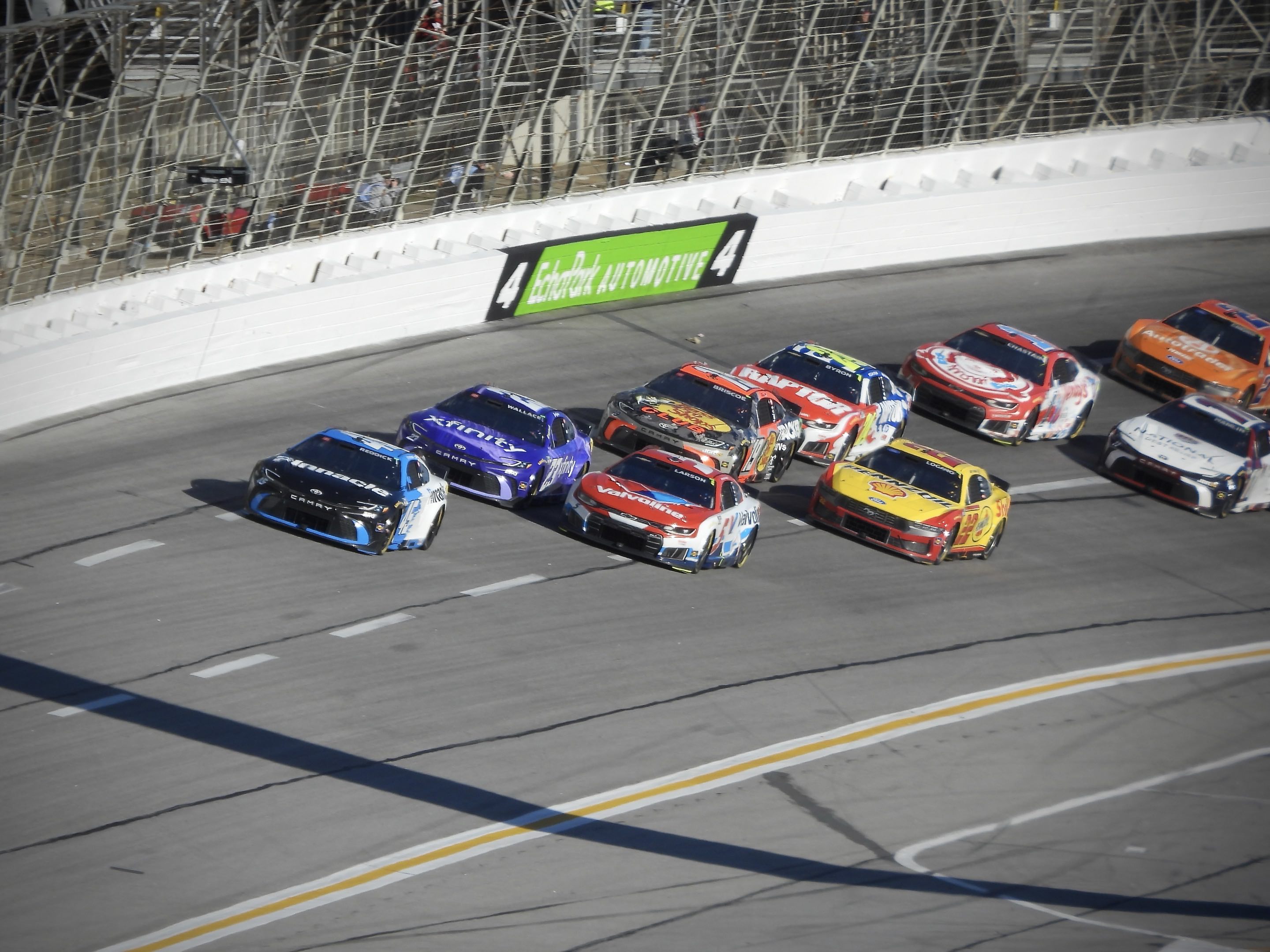
What we got was not an all-timer like the O’Reilly race was, or a master class like the truck race was, but instead we got what I think goes for a normal NASCAR race these days, and you know what? It was fun as hell. There was racing throughout the pack the whole time. There were a ton of leaders. There was teamwork and treachery. Were there idiotic moves and big, frustrating wrecks? Yes, there were. Welcome to NASCAR. Did they ruin the event? No, they did not. They did make it worse, but that is, as I said, the fault of NASCAR Overtime. Even with the overtime finish, Reddick’s win was still spectacular. And thanks to the configuration of EchoPark Speedway, it was never difficult to follow how it was playing out.
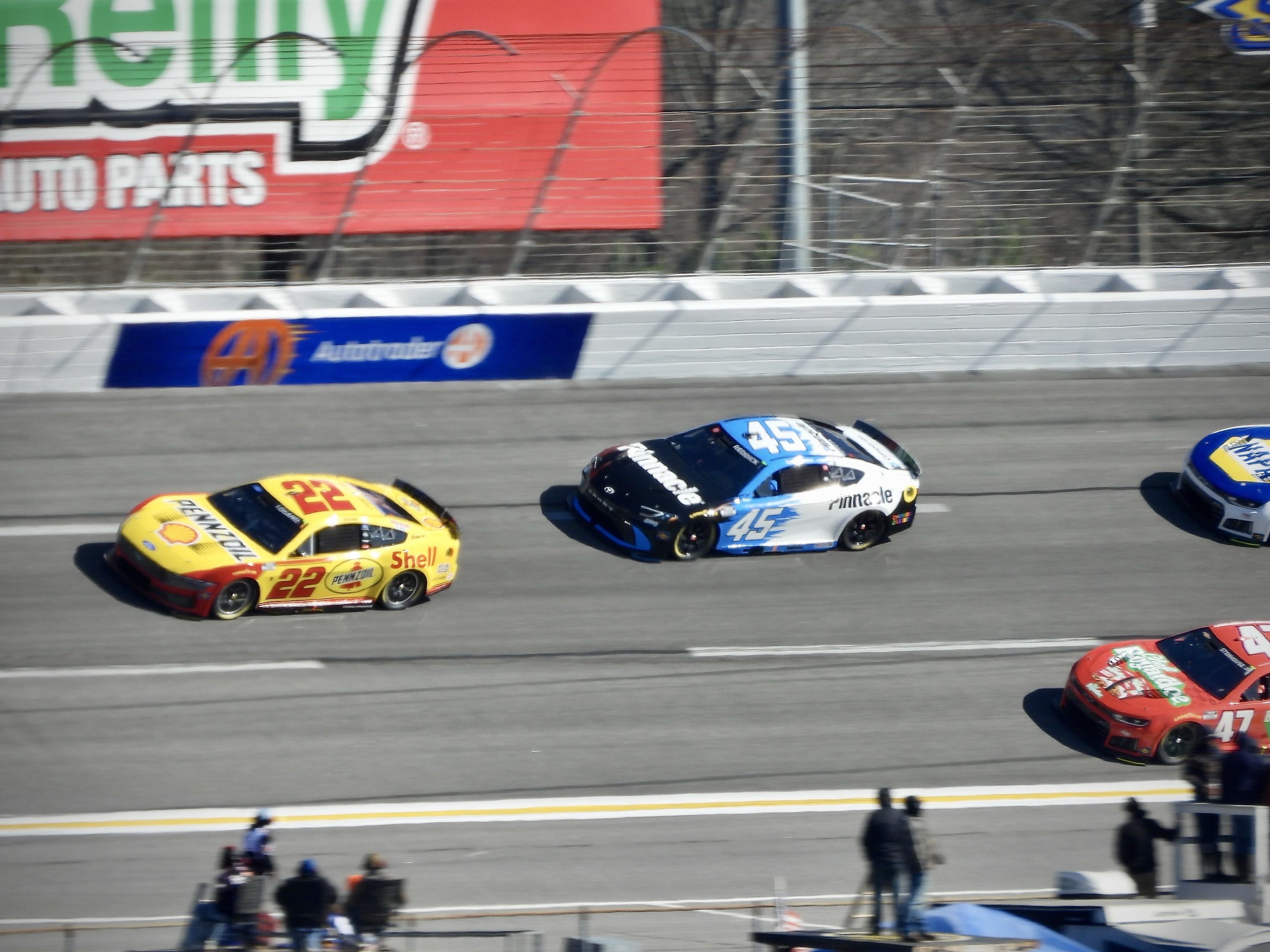
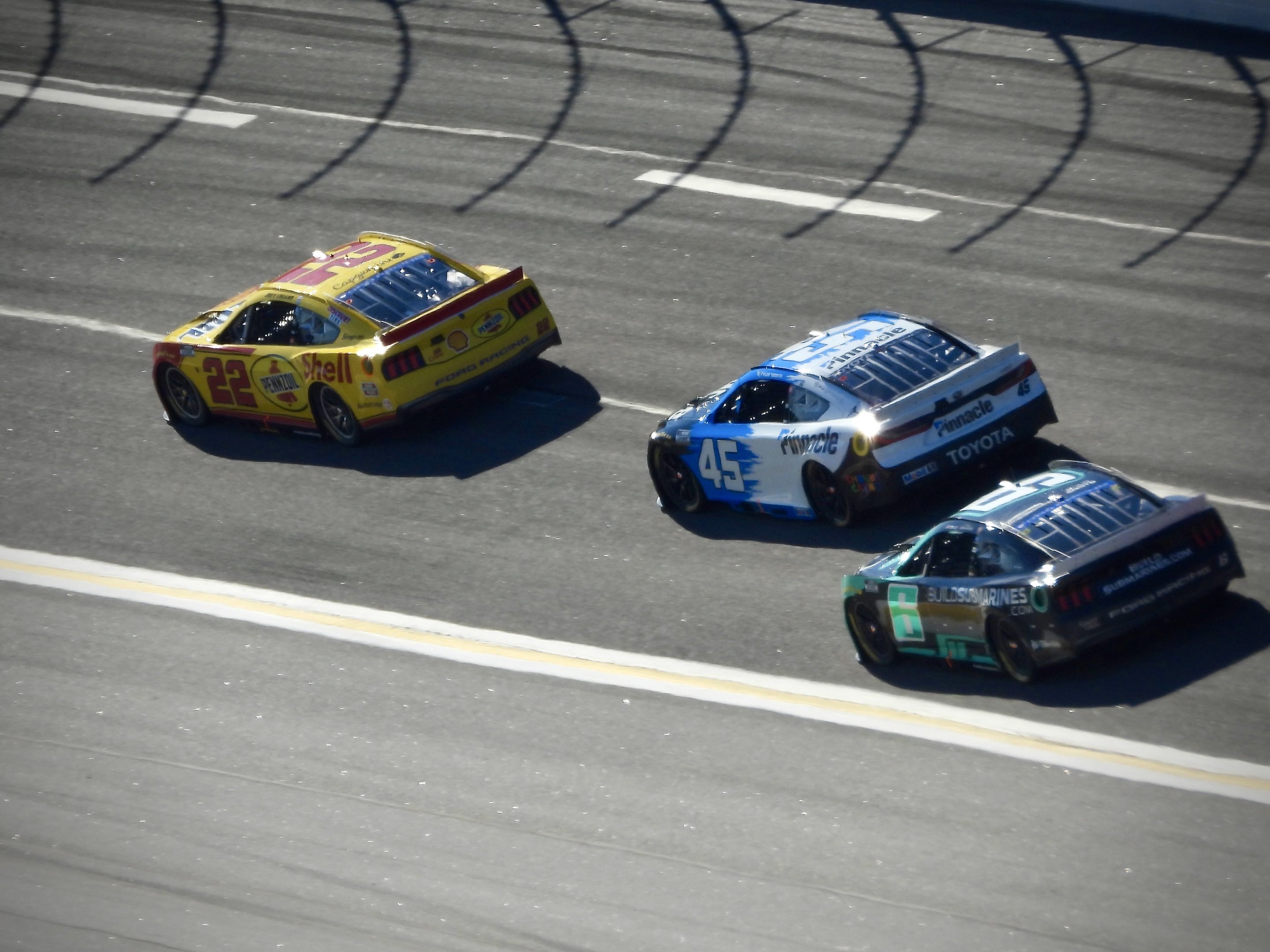
A few themes — aside from 23XI — have emerged over the first two races that I’m excited for this season.
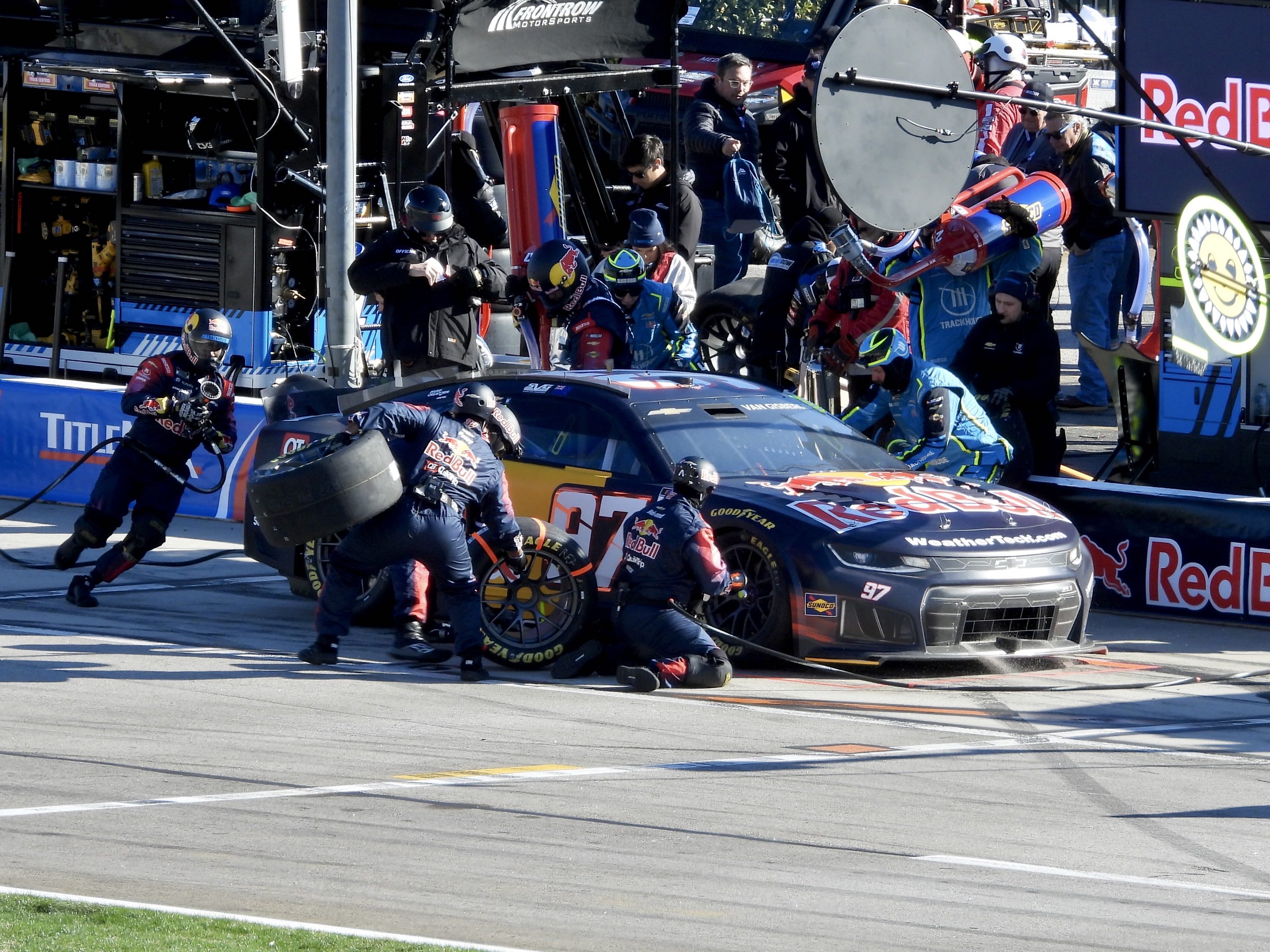
Trackhouse is showing up. All three of their cars ran great in Atlanta, including Shane van Gisbergen, about whom I think everybody can now stop saying that he needs to “learn how to race on ovals.” This weekend at Circuit of the Americas should be a treat; even if no one else comes to play, SVG and Connor Zilisch will keep each other busy.
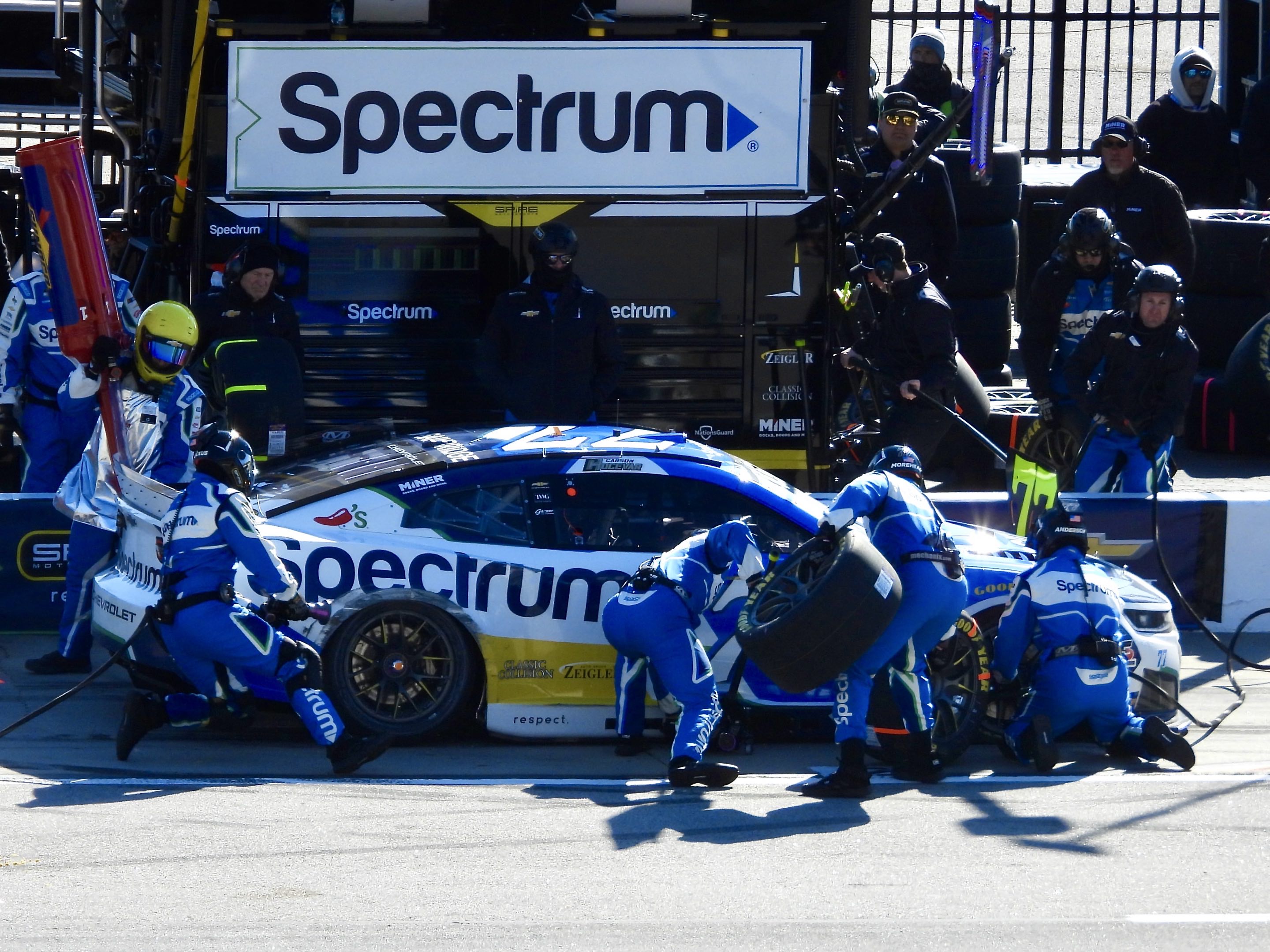
Spire is showing up. Carson Hocevar is a terrorist, but he’s getting his own results, you can’t deny that. And his new teammate, Daniel Suárez, is right behind him in points. Leaving Trackhouse for Spire may end up being a case of failing upwards for Suárez.
Gibbs, Hendrick, and Penske cars were all fighting at the front, of course, but they did not have an easy time of it. The Big Three have company now.
But most of all, I just think the NASCAR mood is a lot lighter than it was even last summer. Everybody I encountered at the track was happy. Even the people who booed Bubba thought it was awesome when I stood up for my guy. We were all goofing around the whole time, as it should be. NASCAR being NASCAR includes us, too, and I’m here for it.